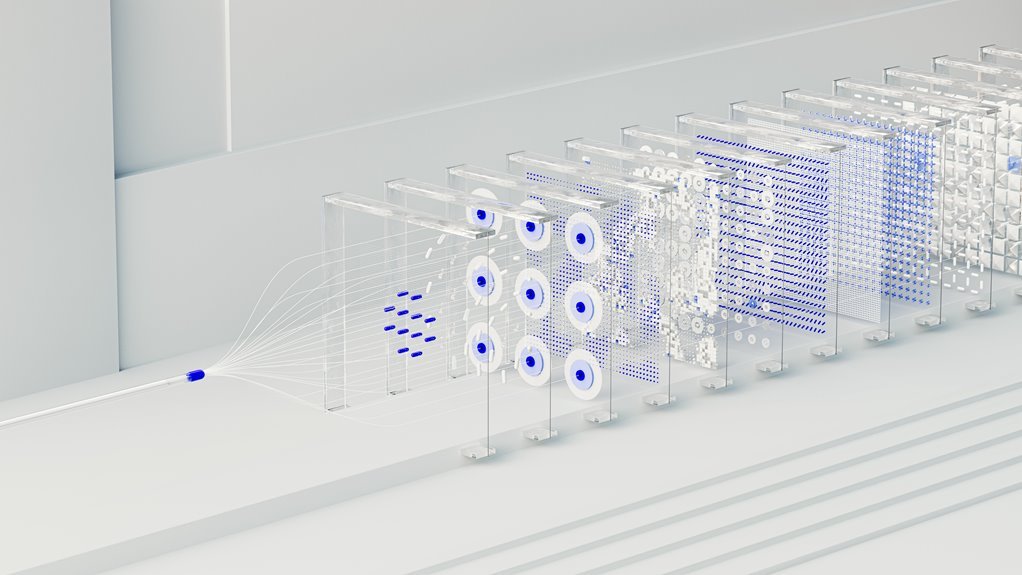
The Neural Flow 963940497 Stellar Node acts as a modular hub for distributed workloads, orchestrating agents across a network to optimize tasks in real time. Its flow-based architecture enables adaptive scheduling and transparent metrics while maintaining scalable performance. This setup supports predictive maintenance and autonomous systems, yet it raises questions about security and crypto-friendly coordination. What remains unclear is how governance and resilience will evolve as deployment scales and new liabilities emerge.
What Is Neural Flow 963940497 Stellar Node?
Neural Flow 963940497 Stellar Node refers to a specific instance within the Neural Flow architecture designed to manage and optimize decentralized processing tasks. It embodies neural flow principles by enabling architecture collaboration, distributing workloads in real time, and reducing latency. The stellar node operates with precision, ensuring scalable performance, robust fault tolerance, and transparent metric reporting for informed freedom-driven decision making.
How Does the Flow-Based Architecture Enable Real-Time Collaboration?
Flow-based architecture enables real-time collaboration by distributing tasks across interconnected nodes and synchronizing state through low-latency channels.
The analysis highlights how does flow enable collaboration, detailing continuous data sharing, and pinpointing real time synchronization issues, such as clock drift and conflict resolution.
Latency optimization strategies emerge, including parallel processing, event-driven updates, and adaptive payload sizing, ensuring resilient, freedom-focused coordination.
Use Cases: From Predictive Maintenance to Autonomous Systems
From predictive maintenance to autonomous systems, the use cases for this architecture span monitoring, decision-support, and autonomous control across complex, sensor-rich environments.
The framework enables proactive diagnostics, adaptive scheduling, and resilient orchestration, translating data streams into actionable insights.
It supports scalable deployment, modular integration, and safety-conscious automation, aligning system performance with operational freedom while preserving reliability, transparency, and measurable outcomes in diverse domains.
Challenges, Security, and Opportunities for a Crypto-Friendly Neural Fabric
The integration of a crypto-friendly neural fabric introduces a set of pervasive challenges, from cryptographic integrity and key management to verifiable randomness and resilient consensus among heterogeneous nodes. Privacy challenges arise from data exposure and traceability across networks, demanding rigorous governance mechanisms. Proactive assessment identifies attack surfaces, while standardized protocols and transparent governance enable resilient scalability, secure interoperability, and freedom through accountable experimentation.
Conclusion
The Neural Flow 963940497 Stellar Node stands as a meticulously engineered hub where distributed agents weave real-time collaboration into predictive insight. Its flow-based architecture promises adaptive scheduling and transparent metrics, fostering proactive resilience. Yet the landscape remains unsettled: latency, security, and crypto-friendly governance demand careful calibration. As workloads mesh and systems scale, outcomes hinge on disciplined orchestration. The next move, quietly decisive, will reveal whether this neural fabric can sustain trust, efficiency, and autonomous coordination under evolving demands.